DnD Races in 2024: What Changed and How to Choose One
Summary
DnD races are now called species in the 2024 rules, and they no longer grant ability score bonuses. Those moved to your background, so you can choose a species for its traits and its place in the setting. This guide covers the ten core species, how they play at the table, and a method for building homebrew species that stay consistent across a long campaign.
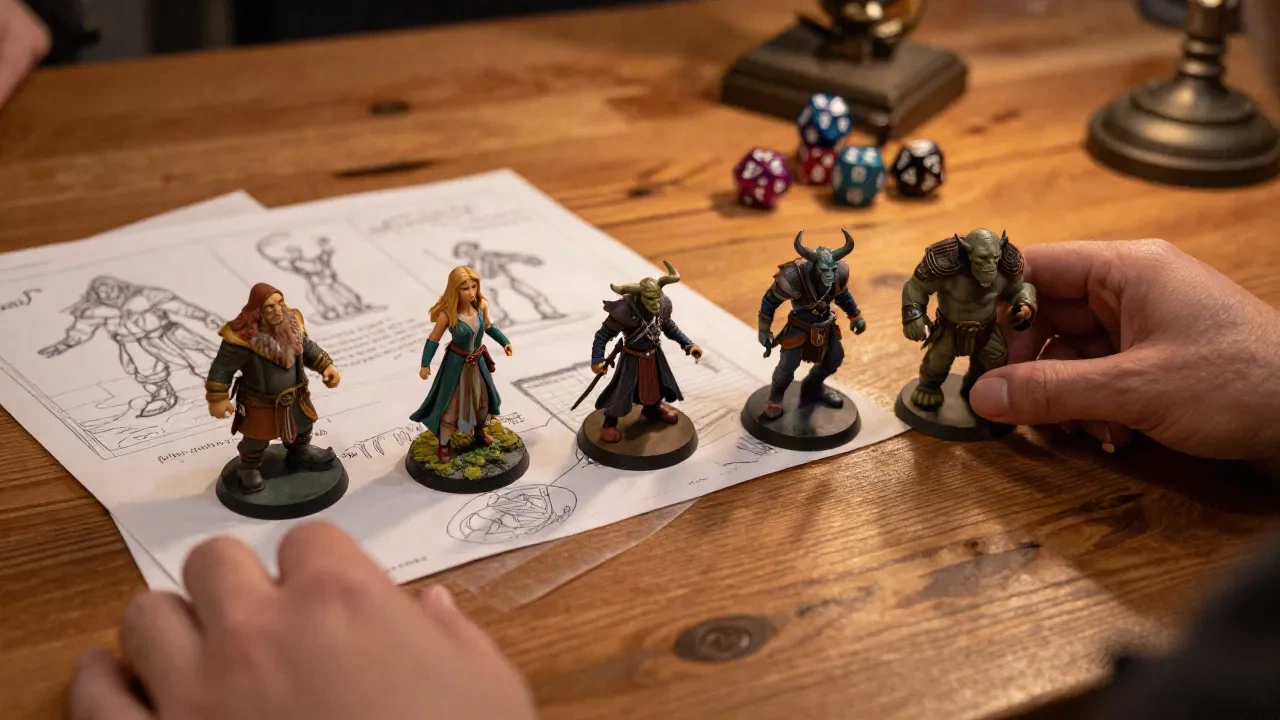
Dnd races are now called species, and the 2024 rules changed what that choice does. Your species no longer hands out ability score bonuses. It gives you traits: senses, resistances, speed and a few tricks. The numbers moved to your background. If you are choosing between dwarf and tiefling tonight, pick for the fiction first, because the math will not punish you either way.
That sounds like a small edit. At the table it is the biggest shift to character creation in a decade, and it changes how a game master should build a setting.
What actually changed when "race" became "species"?
Picture a player rolling up a half-orc barbarian and asking where the half-orc entry went. It is gone, and that is the point. In the 2024 Player's Handbook there are ten core species: Aasimar, Dragonborn, Dwarf, Elf, Gnome, Goliath, Halfling, Human, Orc and Tiefling. Half-elves and half-orcs no longer get their own entries. You take one parent species and describe the rest in play.
Three rule changes carry most of the weight, as Dungeon Mister's species rundown lays out:
Ability scores left the species. They now come from your background. Each background points at three abilities, and you add +2 and +1, or +1 to all three.
Small species move at 30 feet. The old 25-foot penalty is gone for halflings and gnomes.
Built-in disadvantages are gone. The drow-style sunlight sensitivity that haunted older entries does not appear.
The word change matters for another reason. "Race" implied one creature with variations. "Species" admits what your setting already knows: a goliath and a gnome are different beings, not different flavours of person. Treat them that way in the lore and the table follows.
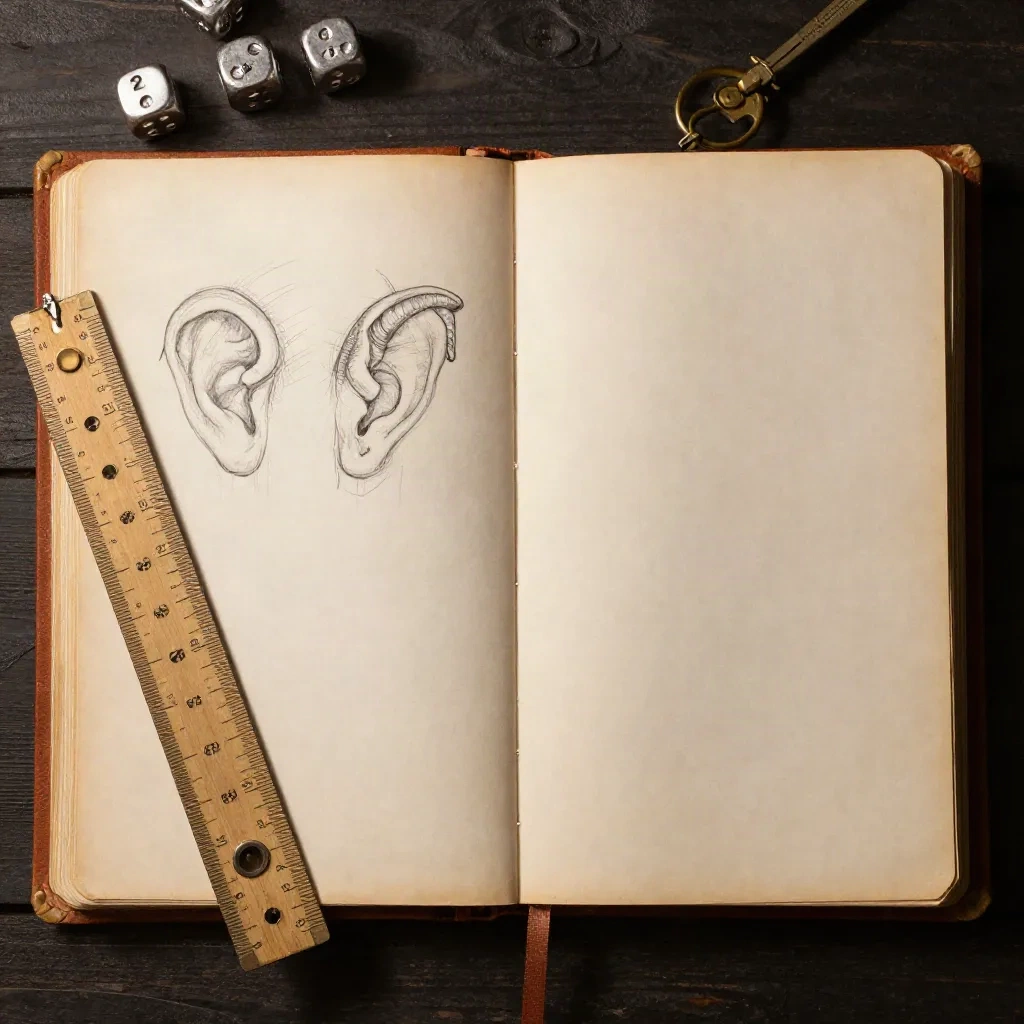
How do the ten core species play at the table?
Here is the short field guide, grouped by what the species does rather than what it looks like. All of this is from the 2024 Player's Handbook entries.
The durable ones. Dwarves get darkvision, poison resilience and extra hit points as they level. Orcs get relentless endurance, which drops you to 1 hit point instead of 0 once per rest, plus an adrenaline rush that lets you dash as a bonus action. Goliaths move 35 feet and choose a giant ancestry, so a fire giant goliath and a cloud giant goliath play differently in a fight. If your party keeps losing its front line, start here.
The innate casters. Elves pick a lineage (drow, high elf or wood elf) that grants spell access and, for wood elves, a 35-foot speed. Gnomes pick forest or rock lineage with their own cantrips. Tieflings choose fiendish legacies and carry thaumaturgy. Aasimar add healing hands and a celestial revelation that can briefly make you fly or glow. Pick these if you want a little magic before your class gives you any.
The flexible ones. Humans get a skill proficiency, an origin feat of their choice and heroic inspiration every long rest. Halflings get luck, which rerolls natural 1s, and the ability to slip past larger creatures. Dragonborn get a breath weapon in a damage type you pick, plus a limited-use flight at higher levels.
Skip any guide that ranks these in a single tier list. A species that tops the list for a fighter is mediocre for a bard, and the 2024 background system makes the gap smaller than the internet admits. Gaming Nexus's coverage of the background change is a good primer if you want the ability score mechanics without the optimization noise.
Does your species still matter if the numbers moved?
Yes, and for a more interesting reason than before. When species stopped carrying +2 to Strength, the mechanical argument for "the correct species for a paladin" mostly collapsed. What survives is the shape of the trait list. A dwarf is hard to kill. An elf is hard to charm. A halfling is hard to fail with. Those are three different promises to the table, and a good game master builds encounters that honor each one.
Take a mixed party: an orc cleric, a gnome wizard, a goliath fighter and a human rogue. Somewhere around session 6, the goliath player stops asking whether he can grapple the ogre, because giant ancestry is already doing the work. The orc player treats relentless endurance as a once-per-rest story beat: the cleric keeps getting back up, and the town starts telling stories about it. Neither outcome comes from an ability score. Both come from a trait the table learned to lean on.
Worth knowing: older species still work with the new rules. The usual approach is to take your ability increases from the 2024 background and not stack the species' old bonuses on top. If your players love the 2014 duergar or the Monsters of the Multiverse tabaxi, nothing breaks.
What do you do when the official list is not enough?
Most long campaigns hit this wall somewhere around session 10. The official species cover the classics. They do not cover your setting's drowned-city folk or the caste of bridge-builders who tax everything that crosses the river. At that point you are doing worldbuilding, not character creation.
Here is a method that holds up over a long campaign.
Start from the role, not the body. Ask what the species is for in your setting. Is it a labor class, a priesthood, a wandering trade people, a former empire's last survivors? A species with no role in the world is just a stat block with a hat.
Borrow traits, then cut. Build from existing traits. Darkvision, a resistance, one signature action and one flavor trait is plenty. Every extra feature is a rule someone has to remember at the table. If your homebrew species needs more than four lines on a sheet, it needs an edit.
Write down what the species cannot do. Canon is a promise, and a species that can do everything breaks the promise of having an identity. A bridge-builder people who cannot swim is more memorable than one who gets a free climb speed.
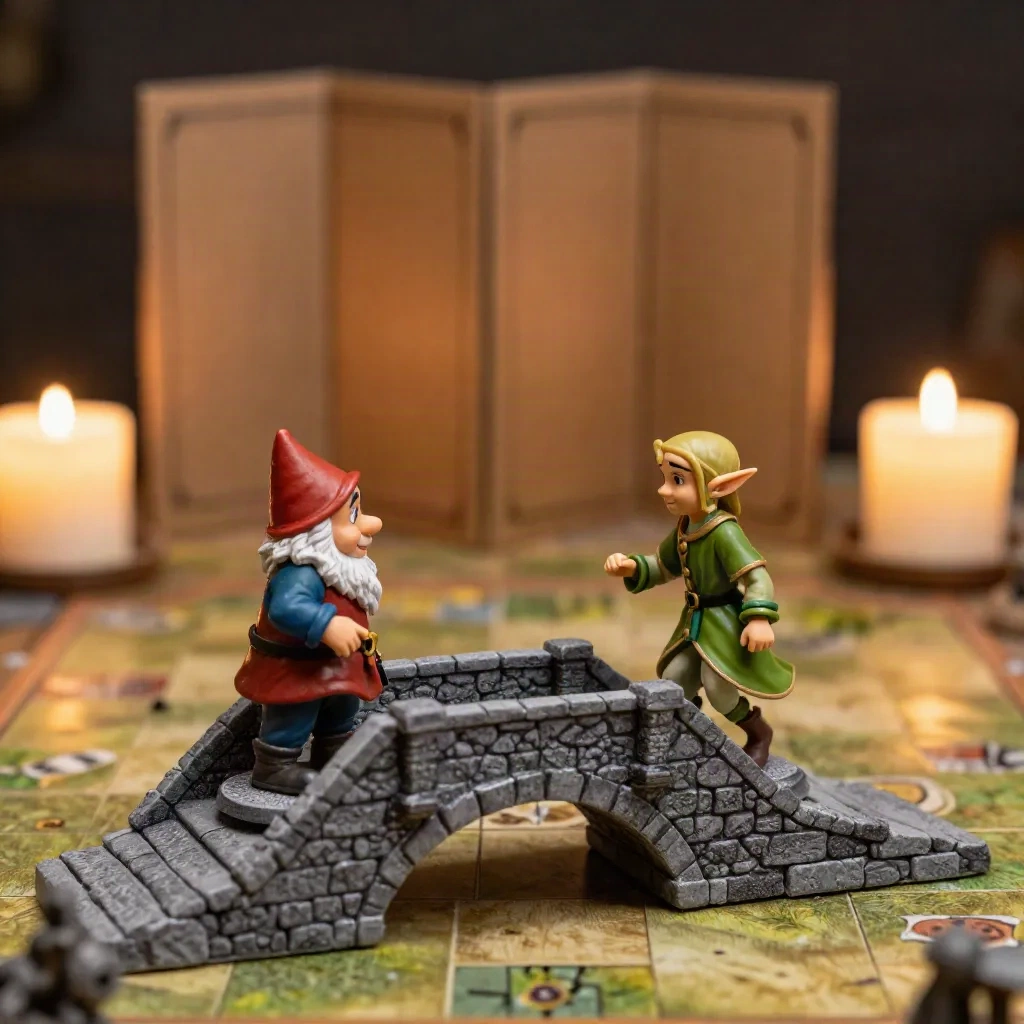
How do you keep homebrew species consistent across a long campaign?
The failure mode is quiet. In session 3 you say the salt-folk never leave the coast. In session 19 a salt-folk merchant turns up in a mountain pass and a player asks why. You have no answer, because you do not remember session 3.
The fix is a reference document you update after every session, a Codex of species, places and promises. Any structured system works: a shared doc, a wiki, or a writing tool built around a story database. The requirement is that you can find "what do the salt-folk eat" in under ten seconds, mid-session, with players watching.
Some writing tools are built for exactly this. Novelcrafter organizes its work around a Codex of characters, locations and factions that the AI reads before it generates, so new scenes stay consistent with what you already established.
If you are inventing species names and need them to sound like they come from one culture, an etymology reference does more than a random generator. Behind the Name tracks the origin language and root meaning of roughly 18,000 names, which is useful when you want the salt-folk's naming conventions to rhyme with their history.
What the Forge actually generates versus what you still have to write yourself is a line worth drawing early. A tool can propose ten species concepts in a minute. It cannot tell you which one your campaign needs, and it will not remember that your last session established the salt-folk fear fire. The game master decides. The tool drafts.
Which AI writing tools help with species and lore, and which do not?
Skip the idea that one tool does it all. Different parts of the job want different tools.
For long-form prose about a species (a creation myth, a village chronicle, a letter from a goblin diplomat), Sudowrite is scoped to fiction and includes a Story Bible feature that guides a project from concept to outline to prose. It is a writer's tool first, so expect to supply the rules content yourself.
For improvised scenes where you want to test how a species behaves under pressure, a text adventure engine is a different kind of useful. AI Dungeon runs on free-form narration with no fixed script, which makes it a decent sandbox for discovering what your homebrew folk would say to a stranger. The context window on lower tiers is small, so treat the results as sketches, not canon.
The reality check: none of these know the 2024 rules. They will happily give your species ability score bonuses it should not have, or invent a trait that duplicates an existing one. Run anything they produce through the same filter you use for any homebrew: does it fit in four lines, does it have a limit, does it have a role in the world?
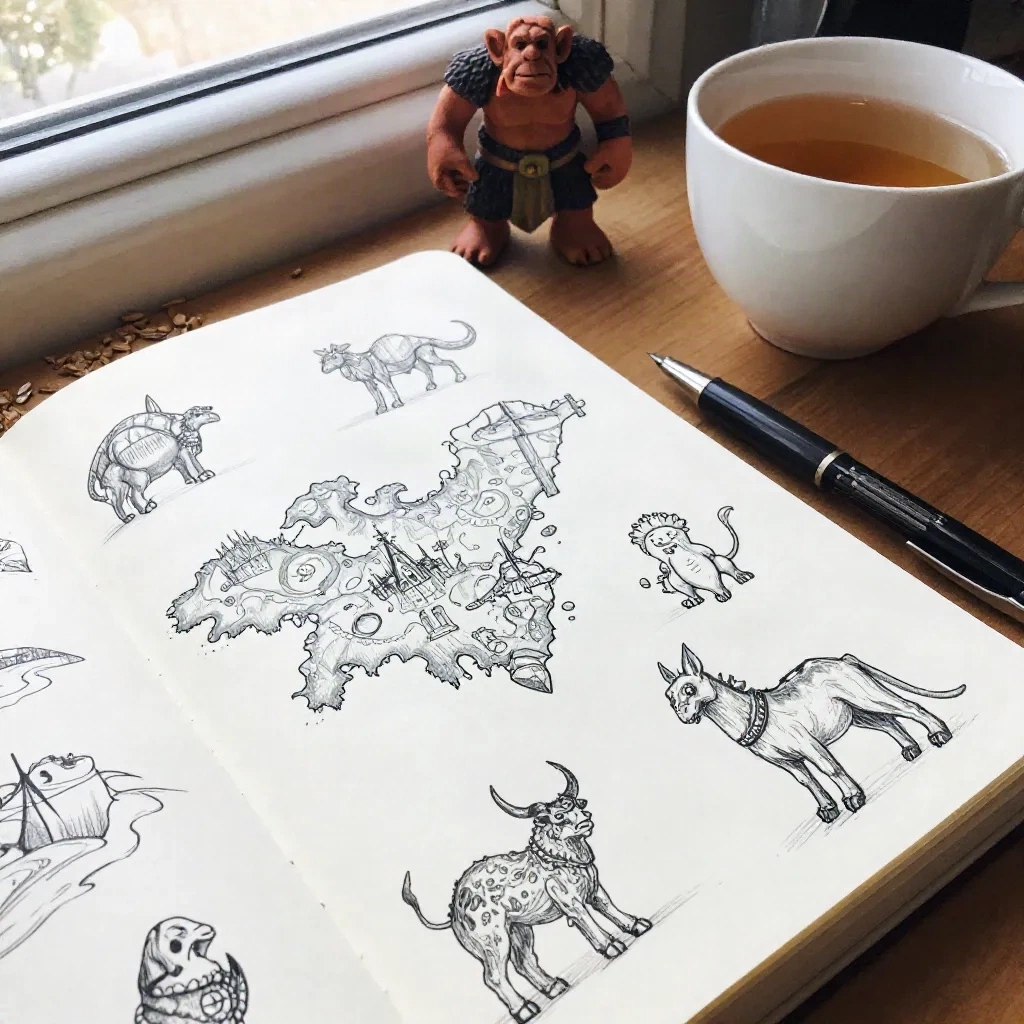
What should a new player pick from the 2024 list?
If you are new, choose by the one thing you want to feel at the table.
Want to survive mistakes? Dwarf or orc. Want to feel clever? Elf or gnome, for the saves and the cantrips. Want to be the story's wildcard? Tiefling or aasimar, whose features give you something unusual to roleplay. Want the least rules overhead? Human, which has the fewest moving parts and the most freedom in feat choice.
And if you are the game master, ask your players a question before they pick: what does their species believe about the world that other species do not? That answer feeds your setting for the next 20 sessions, and it costs nothing.
Should you keep "race" at your table?
Use whichever word your group is comfortable with. The rules text says species, and many players still say race out of habit; nobody is breaking the game. What matters is that your setting answers the question the rename implies: why are these beings different from one another, and what does the world do about it?
The strongest campaigns treat each species as a small civilization with a grudge, a debt and a favorite food. The rulebook gives you ten starting points. What your table builds on them is the part that earns belief, or does not.