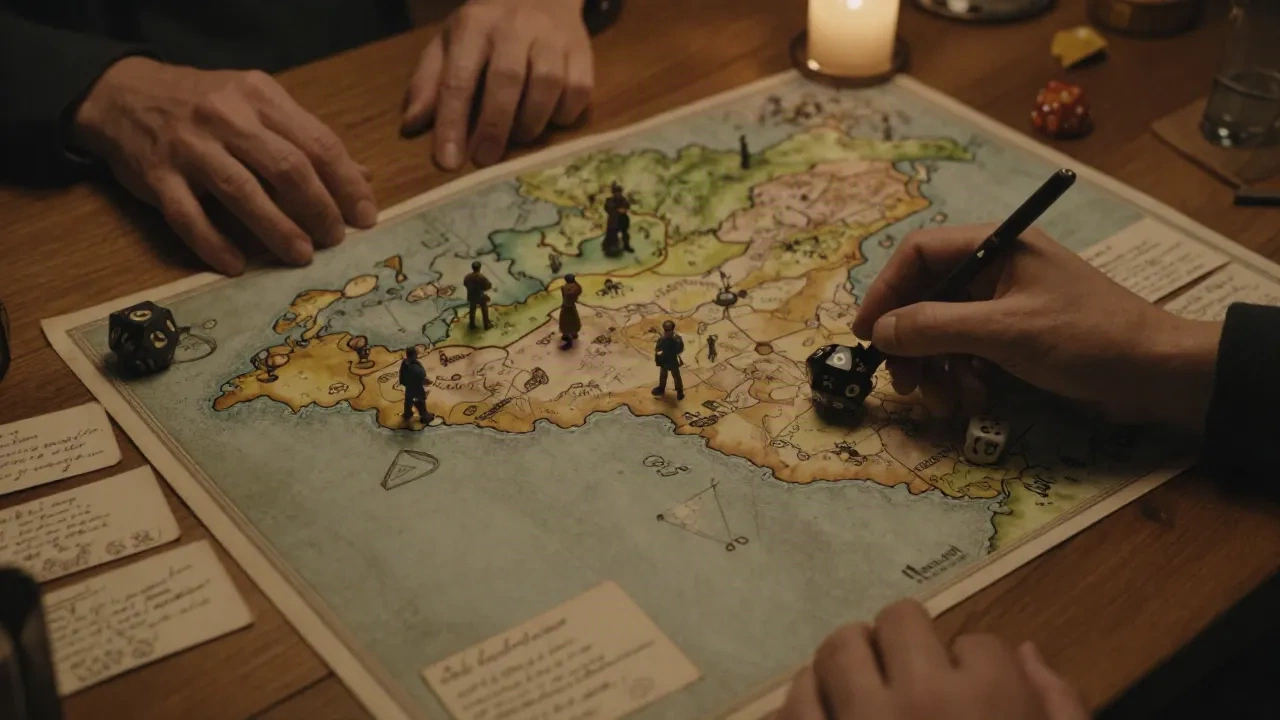
DnD Campaign Ideas That Survive Contact With Players
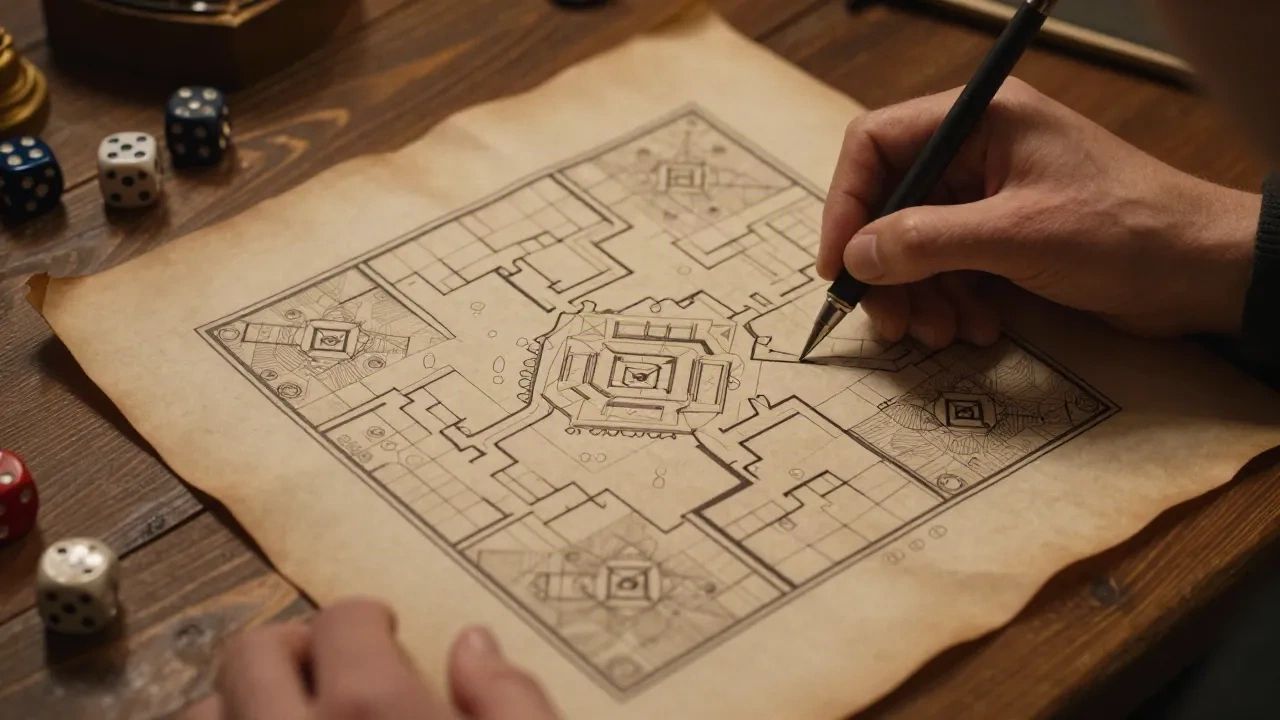
Seven dnd campaign ideas that give your table a problem with a clock on it, plus a lean two-page prep method and honest notes on where AI tools help.
Seven dnd campaign ideas that give your table a problem with a clock on it, plus a lean two-page prep method and honest notes on where AI tools help.
A practical craft guide to how to write fanfiction: choose a story shape, keep characters true to canon, handle lore, and publish your first fic.
Norse mythology names carry more structural logic than most worldbuilders exploit. Understanding the tier system opens up a naming engine for any fictional setting.
Both Unity and Unreal are free to start. The real cost is committing years to one codebase, one asset pipeline, one community. Here is how each holds up for worldbuilders turning settings into games.
Celtic mythology creatures for TTRPG worldbuilders. This guide covers the Fomorians, Kelpies, Banshees, and the Otherworld faction structure that drives Irish and Scottish lore.
80+ male fantasy names by mythological origin and archetype, with phonetic reasoning and naming system advice for worldbuilders running campaigns or drafting fiction.
Over 100 vampire names sorted by origin, era, and tone, with etymology notes and naming craft advice for fiction writers, tabletop GMs, and dark fantasy worldbuilders.
Procedural generation uses algorithms to build dungeons, terrain, and world elements from rules and randomness. A GM's guide to what it does and does not do.
Writing AI image prompts for your campaign is a craft. The five-block formula generates consistent character portraits and location art across any campaign.
Most GMs take session notes but miss what sessions actually create: promises, lore gaps, and open threads. Here is a system for capturing and closing them.
An honest look at what AI novel writer tools actually remember once your manuscript passes chapter fifteen, and which ones are built to hold the line.
We tested four AI oil painting generators against a real campaign need: six NPC portraits, one faction, one deadline. Here is what actually held up at the table.
An objective summary captures what happened without interpretation. For GMs running long campaigns, it is the difference between a Codex that holds and notes that contradict themselves.