DnD Campaign Ideas That Survive Contact With Players
Summary
The best dnd campaign ideas hand the table a pressure that worsens if ignored, three factions with incompatible goals, and one personal hook per character. This guide gives seven premises that hold up over many sessions, a two-filter method for choosing one, a session zero plan, a two-page prep list, and an honest look at where AI tools help a game master and where they flatten the result.
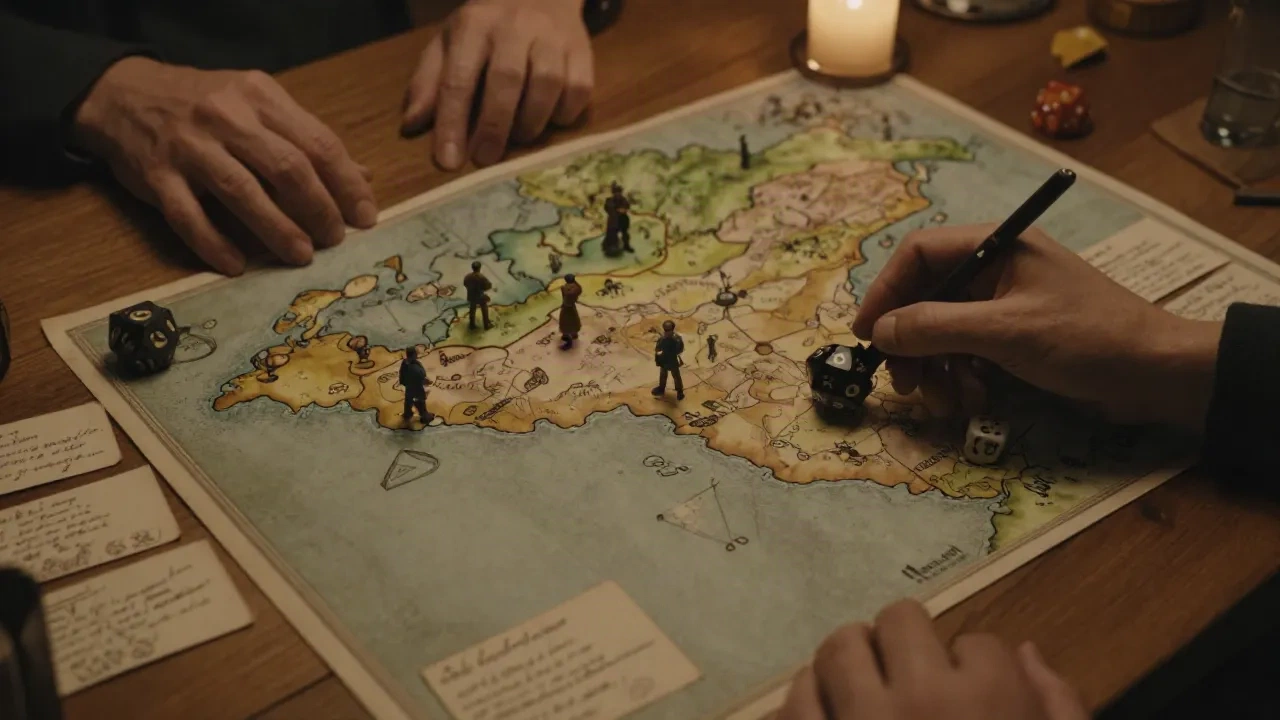
Good dnd campaign ideas share one trait: they hand the table a problem with a clock on it, not a setting to admire. A city sinking into a swamp, a debt owed to a dragon, a border war nobody started on purpose. Pick one pressure, give three factions a stake in it, and the campaign writes its first ten sessions on its own. Below are seven premises that have held up at actual tables, plus how to choose between them and how to prep without drowning.
What makes a campaign idea worth running for 30 sessions?
Last Thursday my players walked into a faction I hadn't fully built yet. I stalled, improvised a grudge, and the table loved it. That works once. It stops working when the premise underneath has nothing to push against.
A premise that survives a long campaign needs three things. First, a pressure that gets worse if the party does nothing. Second, at least three factions who want incompatible outcomes, so no single choice satisfies everyone. Third, a personal hook per character, small enough to write on one index card.
Most lists of campaign ideas stop at the genre label: "pirate campaign", "dungeon crawl", "political intrigue". A label tells you what the scenery looks like. It does not tell you what the players will argue about at 11pm. Build the argument first, then dress it.
Canon is a promise. Every inconsistency breaks it. So pick a premise you can keep consistent for months, not one that looks dazzling in a pitch and collapses by session six.
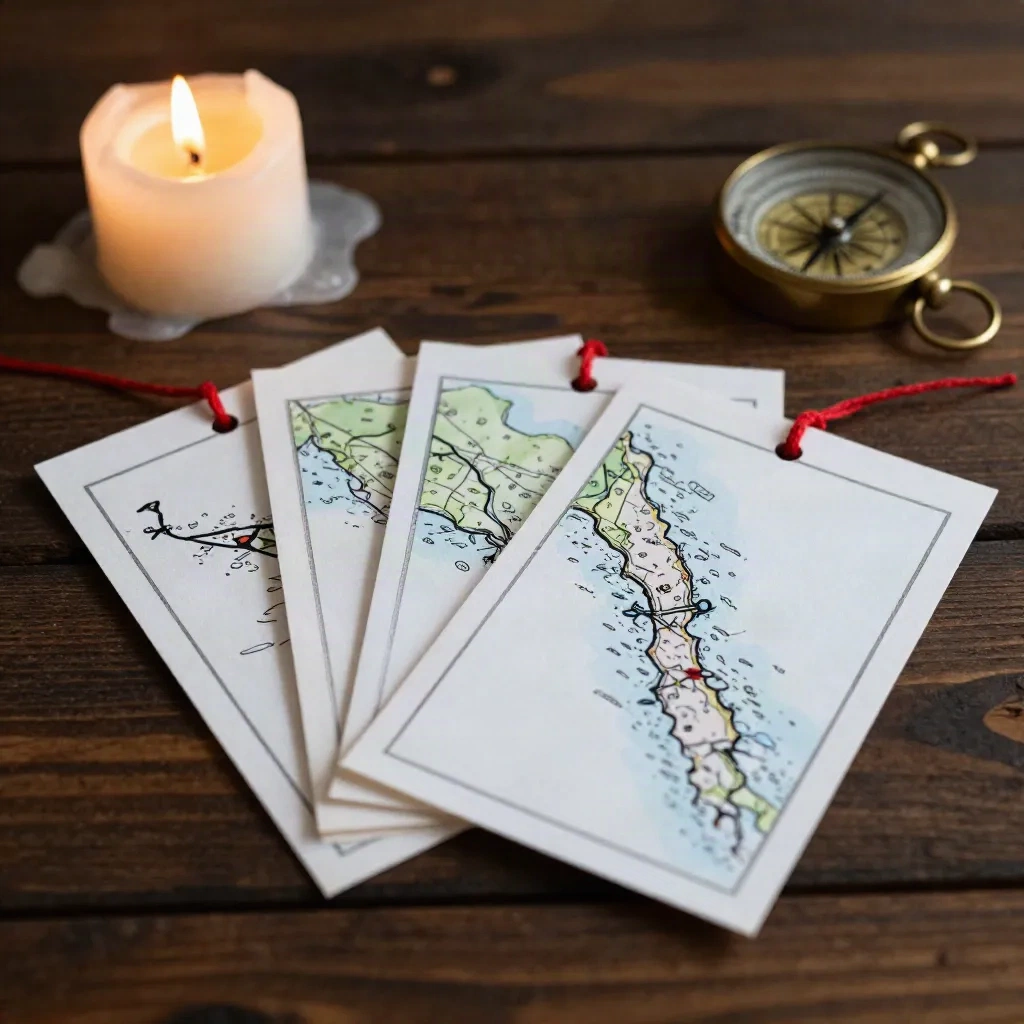
Seven dnd campaign ideas that hold up at the table
1. The sinking city. A trade capital is slowly dropping into the marsh beneath it. The guilds know, the temples blame each other, and the engineers who could stabilise it have been quietly bought. Pressure: every district is lost in order. Sessions write themselves around which neighbourhood the party saves, and who they abandon.
2. The dragon's creditors. The party inherits a debt, not a dungeon. An ancient wyrm lent gold to half the region's nobility and its collectors are now calling the loans in. This is a campaign about contracts, leverage and favours, with combat as the exception. Worth the effort if your group enjoys negotiation more than initiative rolls.
3. The border nobody drew. Two kingdoms settled a frontier by treaty, but the map was copied wrong a century ago. Villages sit on both sides of a line that does not exist. The party works as surveyors, mediators or smugglers, and every choice quietly reshapes a war.
4. The long road home. The characters are stranded far from their world, a Feywild exile, a planar accident, a cursed ship. The campaign is the route back, and each stop asks what they will trade away to keep going. Skip it if your players need a home base to stay engaged.
5. The heist that keeps changing. One target, one vault, but the vault answers to a different owner each time the party scouts it. Excellent for tables that like planning, bad for tables that hate being told the plan failed.
6. The oracle with a flaw. An oracle gives accurate prophecies, but only about events the party will cause. Every answer pulls them deeper into the mess. A strong premise for groups that enjoy dread and dramatic irony.
7. The rebuild. The evil empire fell last year. Now the party has to govern the ruins, feed refugees, and decide who gets prosecuted. It is a post-victory campaign, and it is the one my own table asked to run again.
How do you pick the right premise for your group?
Ask your players for three media inspirations and one thing they never want to see. Not their character concepts yet, those come later. The inspirations tell you the mood. The "never" list tells you what to cut before it costs you a player.
Then run the premise through two filters.
The Friday filter. Could you explain the central conflict in two sentences to a player who missed three sessions? If not, the premise has too many moving parts.
The player-agency filter. Imagine the party ignores your plot hook completely and goes shopping. Does the world still generate trouble? In the sinking city it does, because the marsh keeps rising. In a "find the artifact" quest, it does not, and you end up railroading.
A theme before a villain is the cheapest fix for most stalled campaigns. Decide what the story is about (debt, loyalty, inheritance), then list the villains that embody it. The antagonist becomes a consequence of the theme rather than a plot device you have to keep alive.
Session zero is where a premise becomes a campaign
A premise on paper is a hypothesis. Session zero tests it. Spend the first hour on the table agreement: tone, content limits, how often characters can die, how much the party is expected to stay together.

Then spend the second hour building connections. Each player writes one relationship per other character, one sentence long. "You owe me a favour from the siege." "We share a rival." Those lines become your NPC list, your faction seeds and your reasons for the party to travel together without a tavern meeting.
Do not skip the opening scene. "You all meet at a tavern" is the weakest start on offer. Drop the party into motion: the harbor is already burning, the border post is already empty, the debt collector is already at the door. A good first scene asks the table to decide something within ten minutes.
How much prep does a campaign idea actually need?
Less than you think, and in a different order than most guides suggest. Before session one, write four things:
The pressure and what happens at each stage if it is ignored.
Three factions with one goal, one resource and one secret each.
Five locations with a single distinctive detail apiece.
A list of ten names, because you will need them mid-sentence.
That is about two pages. Everything else is generated at the table or between sessions, using what the players actually did. The mistake I made for years was building a 40-page setting bible that the party never touched.
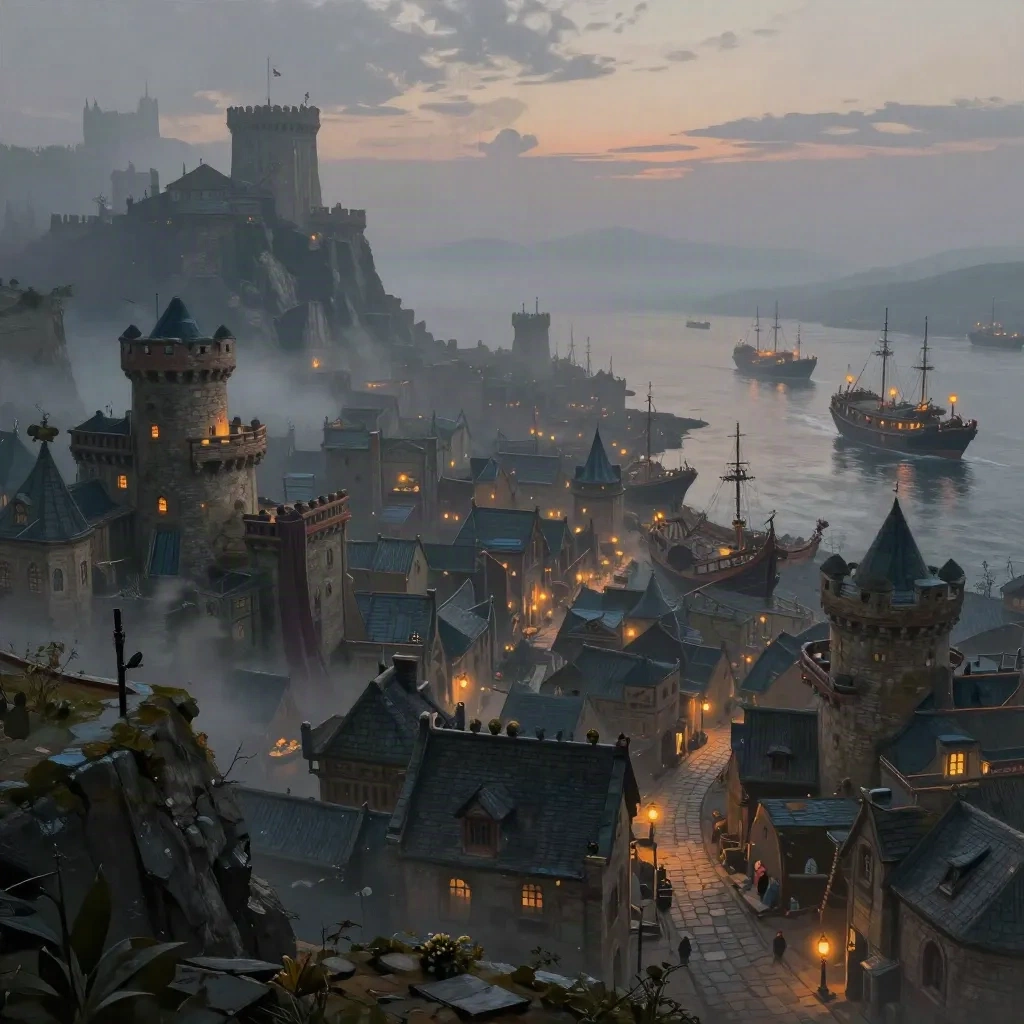
Notice what that list leaves out: a full map, a pantheon, a thousand years of history. Detail you build before play is a guess. Detail you build after session three is a response. Keep your guesses cheap.
Can AI tools help you build campaign ideas without flattening them?
They can, with limits. An AI assistant is useful for the dull parts of prep: generating twenty NPC names in a regional style, drafting a rumour table, or stress-testing a premise by asking what a skeptical player would exploit. It is poor at the thing a campaign needs most, which is a point of view. Left alone, it produces competent, interchangeable fantasy.
Here is how it holds up at the table. I use a chat model to attack a premise, not to write one. Prompt it with your two-sentence pitch and ask for the five cheapest ways a clever party could break it. Half the answers are useless. One or two will save you a session.
For running scenes live, a dedicated story engine like AI Dungeon is a different tool with a different job. It is good for improvised exploration and quick scene texture, and bad at holding a faction's long memory. If your campaign relies on continuity, that is the gap you will feel first.
For prose-heavy prep such as handouts, letters and in-world documents, NovelAI-style generators produce a voice you can edit. The edit is the part that matters. Keep the GM as the author and the tool as the draft, and the world stays yours. What the Forge actually generates versus what you still have to write yourself is a line worth drawing before you start, not after.
What do the first three sessions of a campaign look like?
Take the sinking city as a worked example, because it shows how a premise turns into play without a script.
Session one opens mid-crisis. A canal wall gives way in the dye-works district and the party is the nearest group with a boat. The scene asks for quick decisions: save the workers, save the cargo, or chase the saboteur seen on the rooftops. Whatever they choose, one faction owes them and another resents them. You have just generated two NPCs with a grudge and a favour, with zero prep.
Session two gives the pressure a name. A surveyor shows the party a chart of the marsh with a date on it. The guilds each propose a different fix, and each fix benefits whoever proposes it. Now the table has a real argument to have, and your job is to play the factions honestly and let the players lose an argument now and then.
Session three is the first cost. A district floods because of something the party did or declined to do. This is the moment the campaign stops being a series of scenes and becomes a world with memory. Write the consequence in the Codex that night, in one line, and read it aloud at the start of session four.
That rhythm of crisis, argument, cost transfers to any of the seven premises. In the dragon's creditors, session one is a collector at the door, session two is a ledger that does not add up, and session three is the first noble who cannot pay. Swap the nouns and the structure holds.
What should you skip?
Skip the campaign that needs a specific rare class or build to function. Skip any premise whose first act depends on the party trusting a stranger with no reason to. Skip the "chosen one" frame unless your players explicitly asked for it, because it quietly removes their reasons to care about each other.
Skip, too, the temptation to run a published module exactly as written when the premise does not fit your table. A module is a framework. Cut the encounters your players will not enjoy and keep the structure that gives you momentum.
Which campaign would we run next?
If I had to start a new campaign this month, I would run the rebuild. The war ending is a better engine than the war itself, because victory creates dozens of small, awkward decisions that no random table can invent. Governing, feeding and forgiving make for longer arguments than fighting does.
Take the premise that makes your players lean forward, write the two pages, and run session zero before you fall in love with the setting. The world will earn its detail at the table, one decision at a time. Which of the seven would your group fight over first?